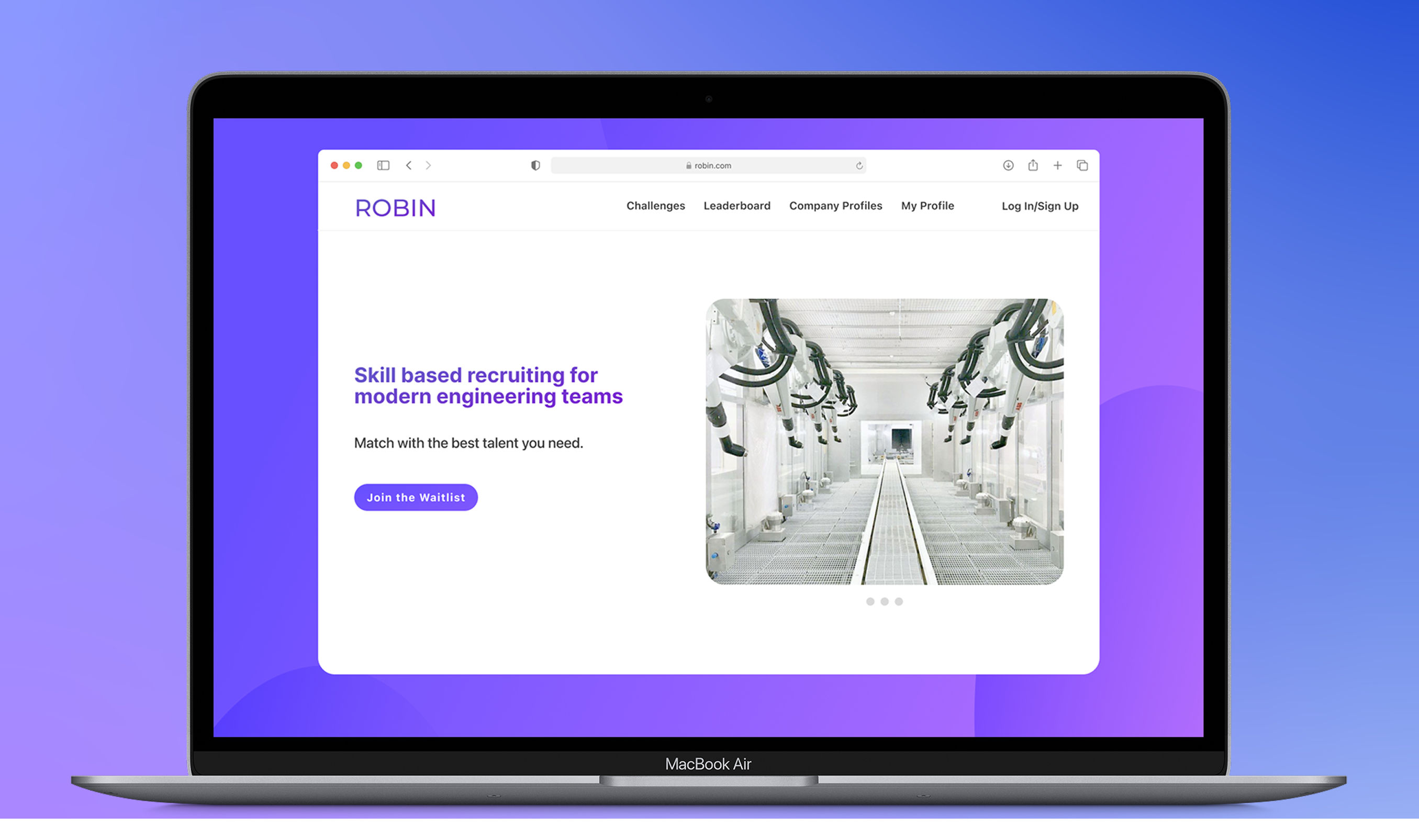

Robin is a recruiting platform concept that uses practical assessments to help engineers demonstrate their skills and recruiters evaluate talent beyond the résumé.
As Lead Product Designer, I led product strategy, UX, visual design, prototyping, and design systems during an eight-week Lean UX engagement. The work explored how skills-based assessments could create a more effective experience for both candidates and recruiters.
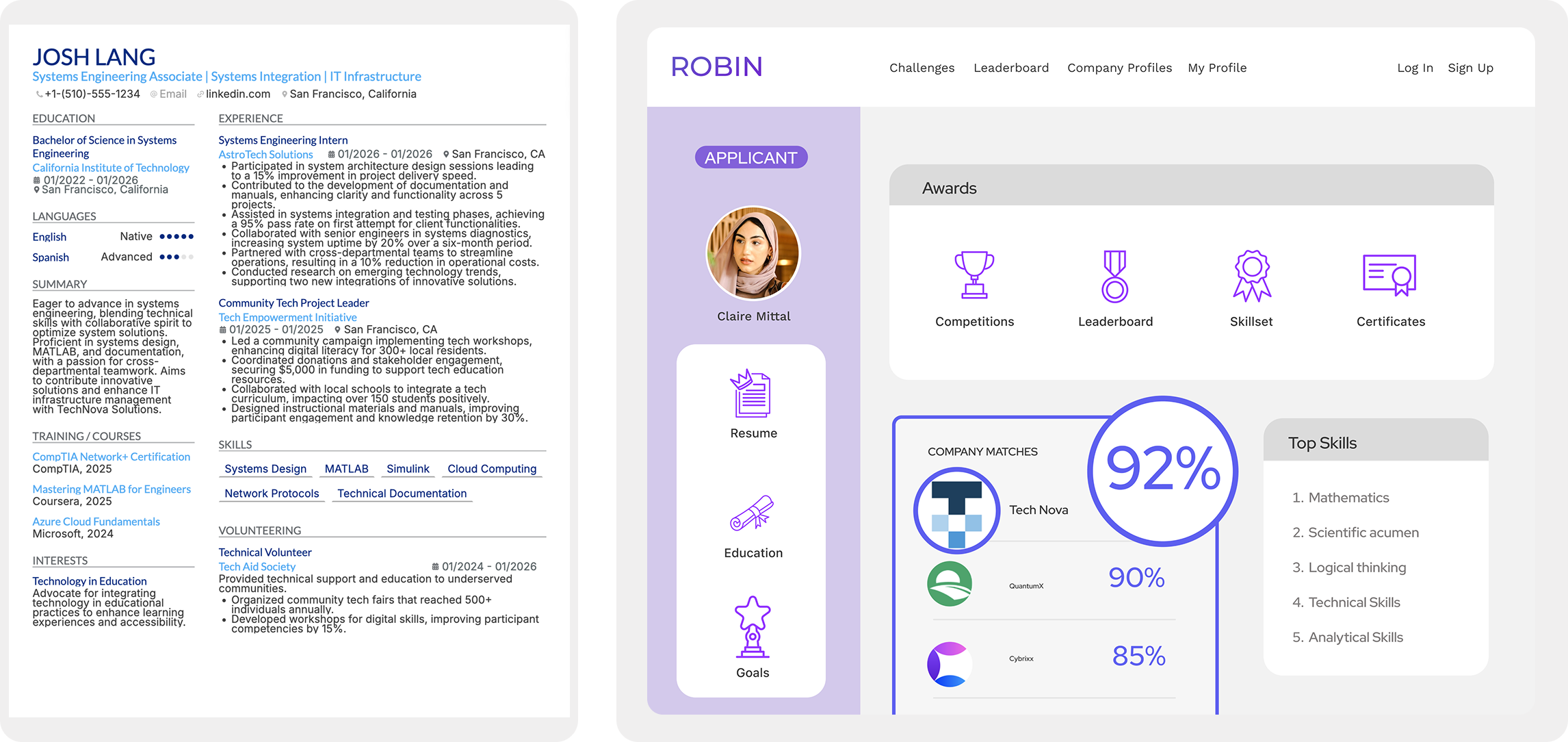
I joined the project after initial user interviews with candidates and recruiters had been completed. I synthesized the existing research and conducted a competitive audit to uncover the underlying opportunity across both sides of the hiring experience.
Three themes emerged.
Candidates struggled to stand out.
Engineers felt résumés didn’t fully communicate their practical abilities, making it difficult to differentiate themselves beyond experience and credentials.
Recruiters spent significant time validating skills.
Résumés provided limited insight into technical ability, requiring recruiters to spend additional time determining which candidates warranted further evaluation.
Time was a shared point of friction.
Candidates invested time applying without knowing whether their abilities would be recognized, while recruiters spent time identifying and validating qualified talent.
The key insight
Both sides needed a better way to understand ability earlier in the hiring process.
This reframed the opportunity from simply making recruiting more engaging to creating a clearer exchange of information between candidates and recruiters.
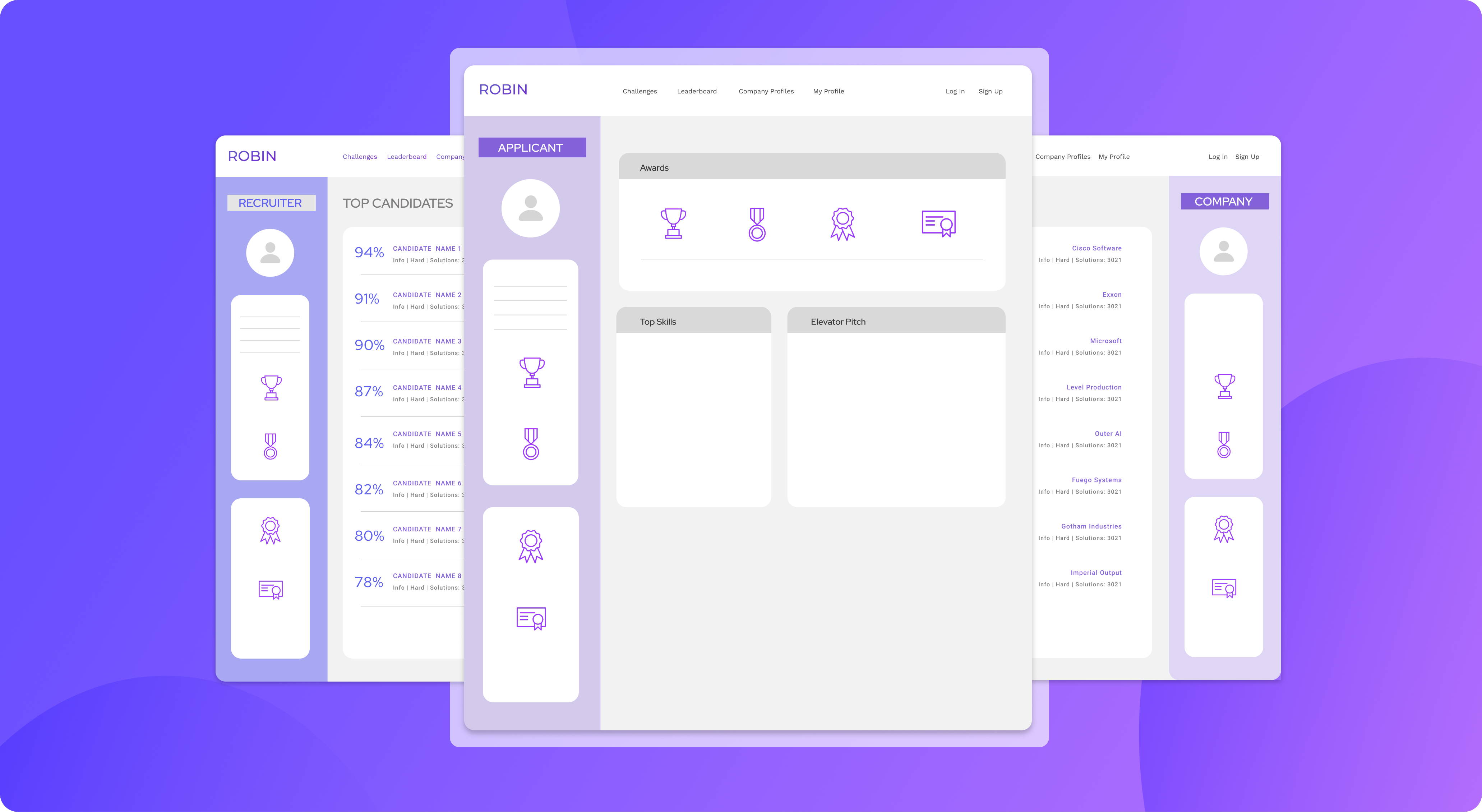
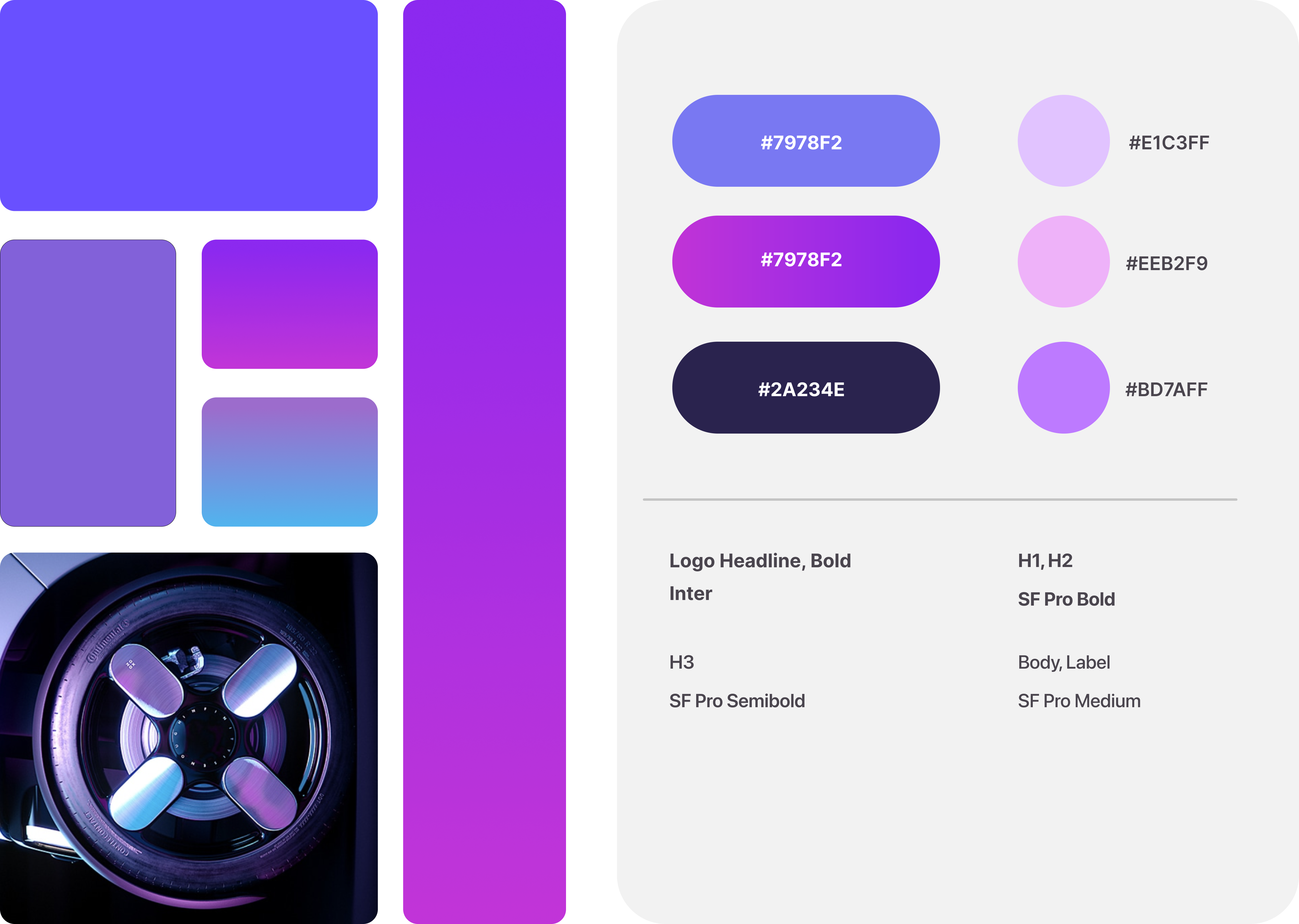
Robin’s visual system made skill and progress visible throughout the experience. A focused color palette, clear hierarchy, reusable components, and custom achievement iconography created consistency across assessments, profiles, and recruiter views.
Recognizable achievement
Custom badges made demonstrated skills and progress easy to identify.
Clear hierarchy
Typography and modular layouts brought focus to the information that mattered most.
System consistency
Shared components connected assessments, achievements, profiles, and recruiter experiences.
The experience was designed to carry demonstrated skills through the platform—from completing an assessment to earning an achievement, building a richer candidate profile, and becoming discoverable to recruiters.
Discover → Demonstrate → Achieve → Build → Be discovered
Visually, show 4–5 of your existing screens in sequence. You don't need to build anything new or imply functionality you didn't complete.Image A — Robin visual language
Create a beautiful specimen board:
ROBIN wordmark
Purple palette
Typography
Buttons
Cards
Navigation
Spacing/radius examples
Keep it extremely clean.
Image B — Achievement system
Make your badges/icons the hero:
🏆 Challenge
medal / achievement
award
skill badge
progression
Then underneath show the icons in context inside the actual interface.
The combination is important:
Designed component → component in product
That demonstrates system thinking rather than showing a style guide for its own sake.
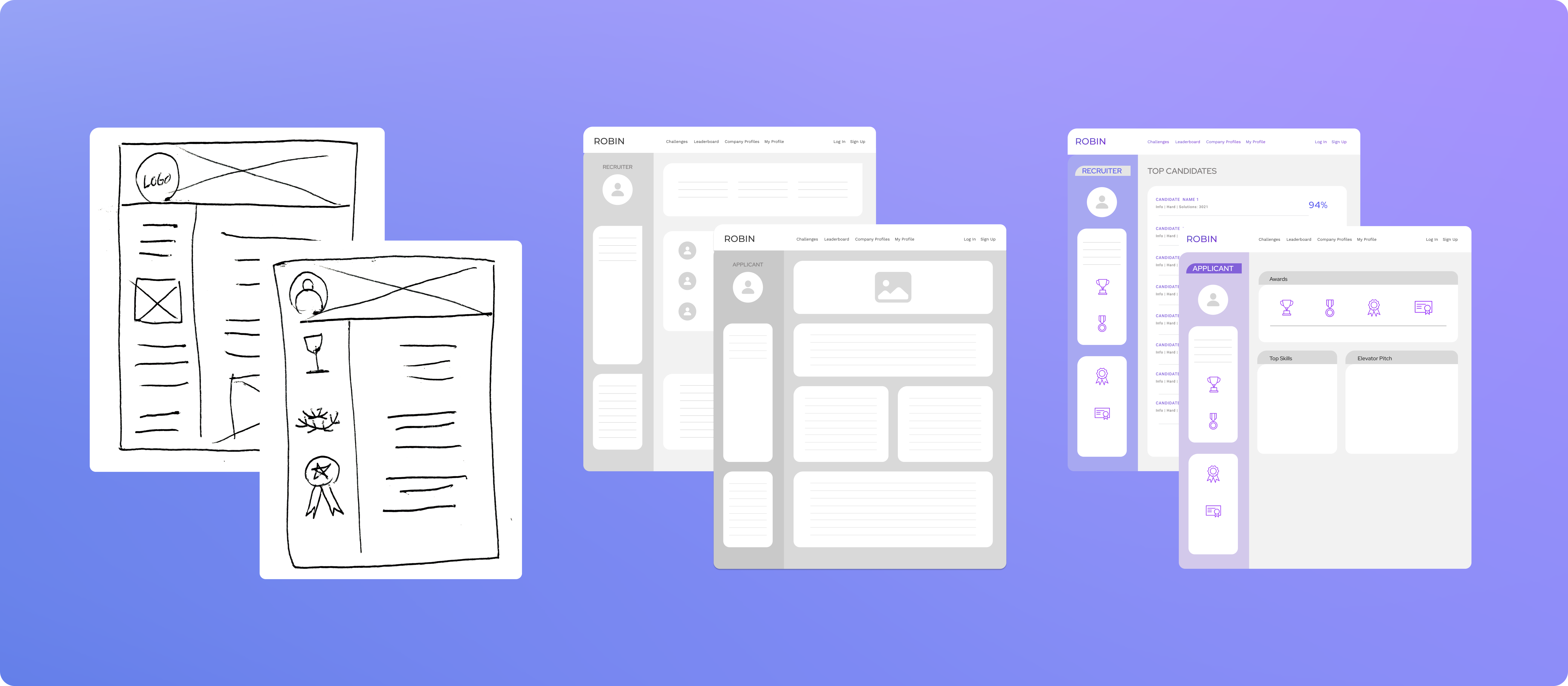
Connecting the experience end to end.
sequence of 3–4 screens showing the primary flow.
d assessment discovery, candidate progression, profiles, and recruiter discovery into a unified experience.
Robin explored how practical assessments could give engineers another way to demonstrate their abilities while helping recruiters look beyond the résumé.
The project reinforced the importance of connecting interaction design back to product purpose. Badges, points, and progression were not the solution on their own—their value depended on whether they made demonstrated skills more meaningful and easier to evaluate.
Revisiting the work today, I would place greater emphasis on validating how assessment results influence recruiter decisions and whether candidates view the experience as a credible representation of their abilities.
Given additional time
I would test the end-to-end experience with engineers and recruiters, focusing on assessment credibility, comprehension of skill badges, recruiter evaluation effort, and whether progression meaningfully motivates participation.
Those findings would guide further iteration of the assessment model, candidate profiles, and recruiter experience.