


Family memories often live in physical things—a ring, a photograph, a handwritten recipe, a well-worn book. But the stories that give those objects meaning are rarely preserved alongside them.
Root is a mobile experience that connects those stories to the objects themselves.
Using object recognition and voice, family members can capture the story behind an heirloom in the voice of the person who lived it. Later, pointing a camera at the object brings that memory back.
The object becomes the interface to the story.
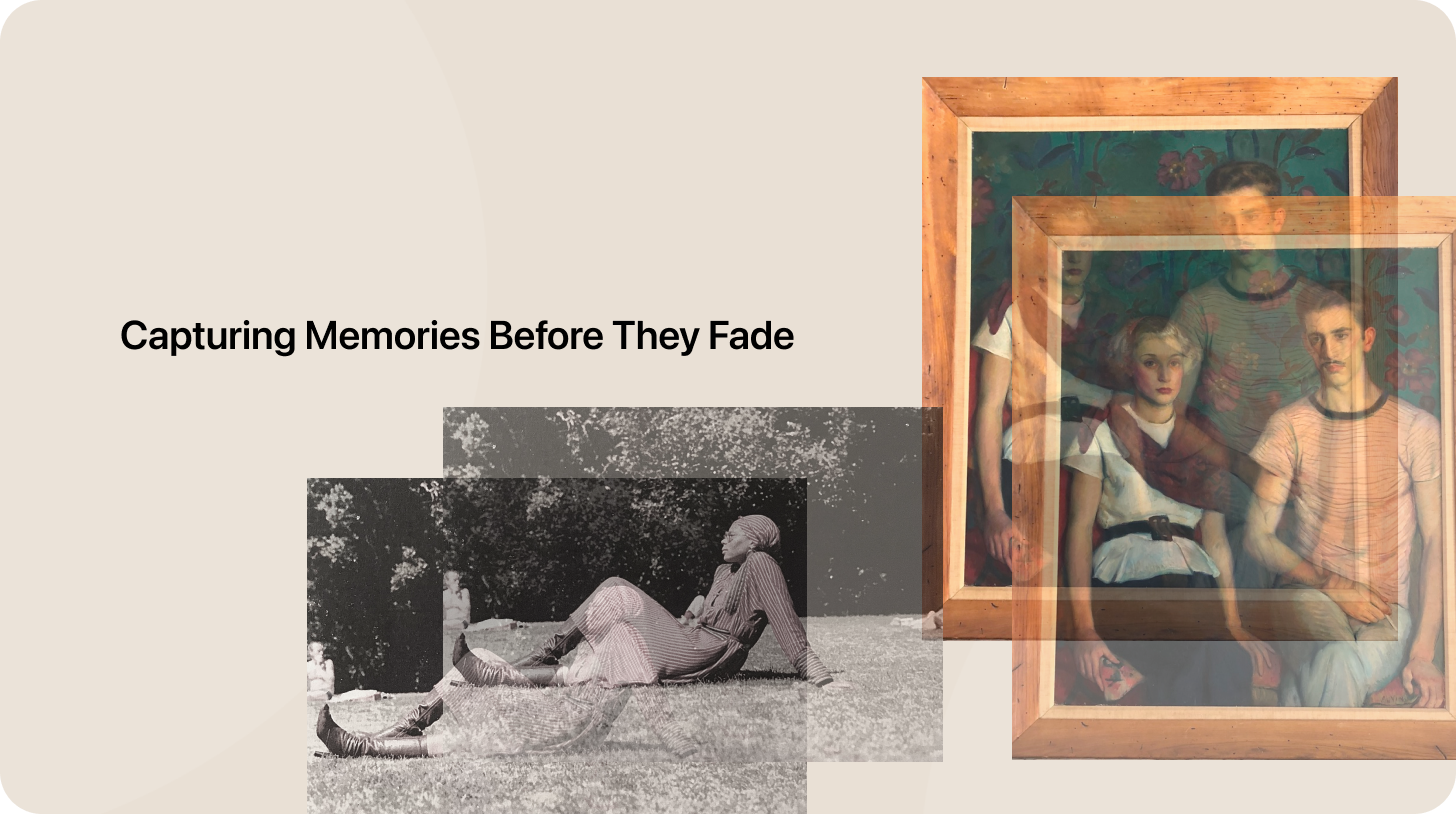
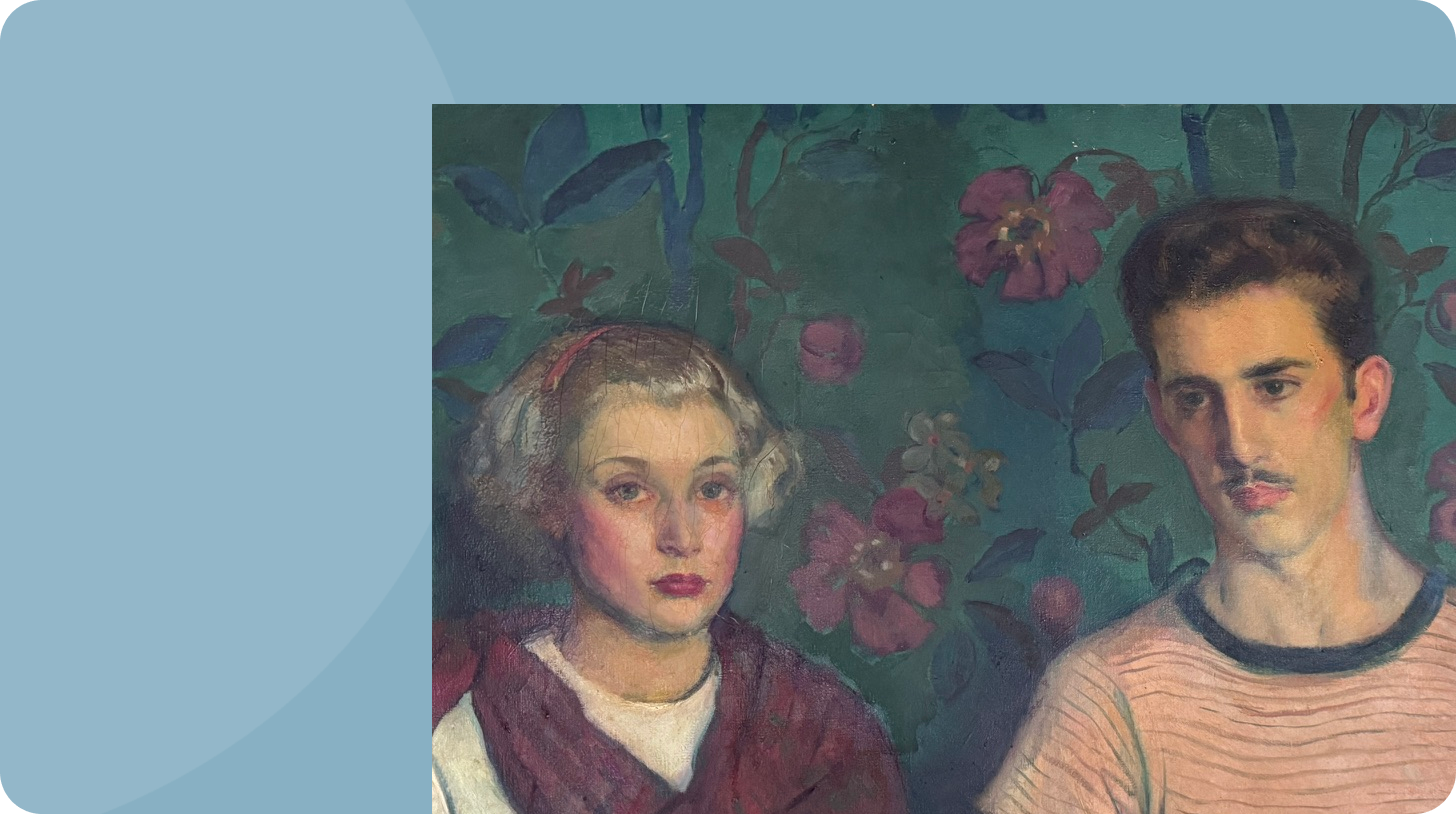
Point the camera at a meaningful object.
Invite someone to share what they remember.
One tap starts recording. The experience stays focused on speaking, not editing.
The voice story becomes connected to the object's history.
Encounter the object later and point the camera toward it.
The story returns in the voice of the person who lived it.
Don't show twenty screens. Show the few screens necessary to make this experience understandable.
/Then show the actual interface.
The section should visually walk through one complete scenario:
01 — Capture
A daughter photographs her grandmother's ring.
02 — Invite
She sends her grandmother a lightweight invitation to contribute its story.
03 — Record
Her grandmother opens the invitation and records the memory with minimal setup.
04 — Attach
The recording becomes part of the object's history.
05 — Rediscover
Years later, another family member points their camera at the ring.
06 — Listen
Her grandmother's voice returns in context with the physical object.
That is the hero journey of this case study.
Don't show twenty screens. Show the few screens necessary to make this experience understandable.
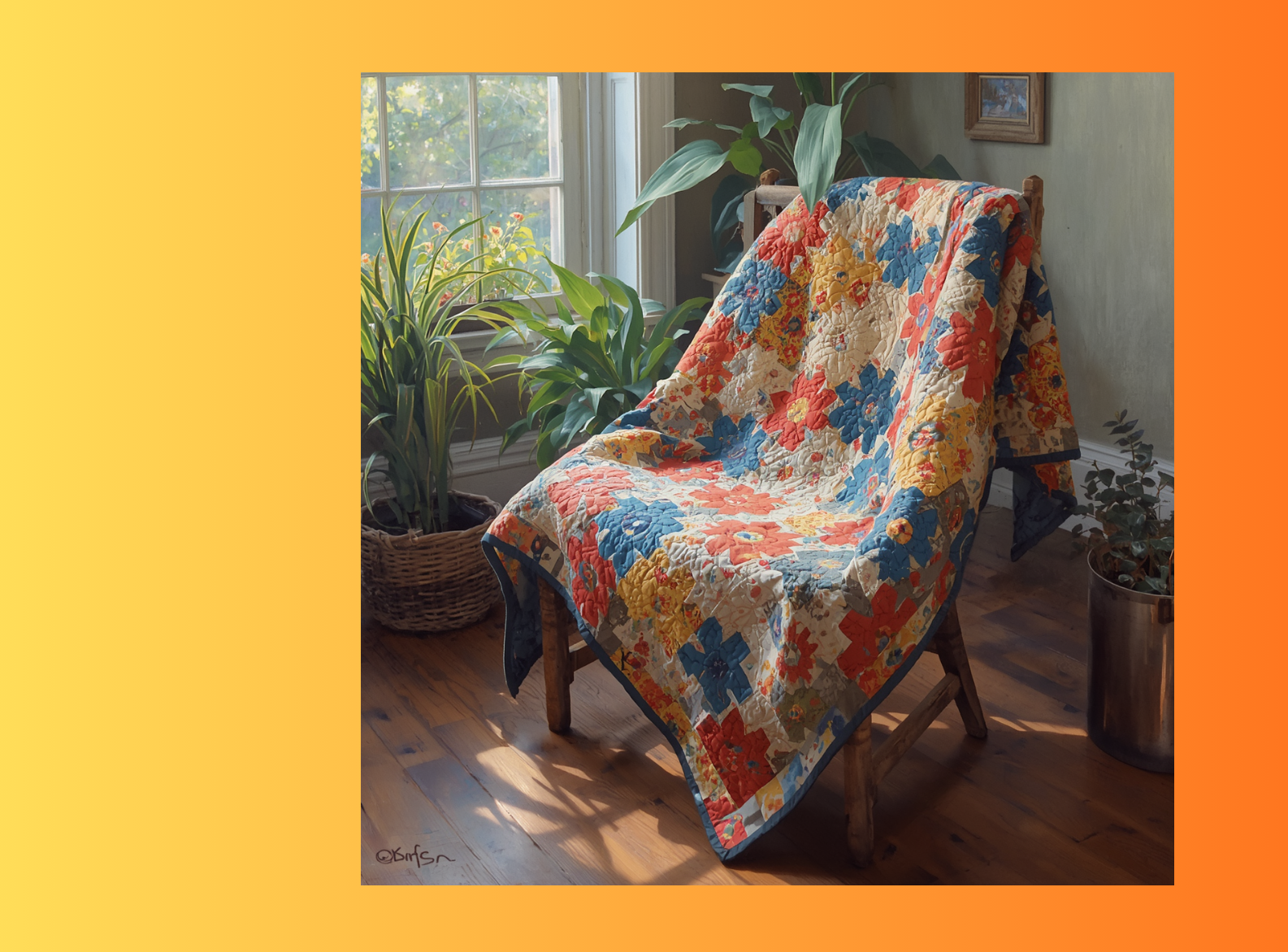
This is where I would make your most impressive mockup.
Large image.
Phone pointed toward a real family object.
Very restrained interface.
Something like:
Grandmother's Ring
Story from Margaret · 2:14
▶︎
And perhaps a very subtle spatial indicator around the physical ring.
Below it:
Root reconnects the digital memory with the physical object that inspired it. Instead of searching through an archive, the story can be rediscovered where its meaning already lives.
That idea is already present in your Spatial Interaction direction.
,,,,
Root balances the warmth and imperfection of family artifacts with the clarity of a contemporary digital experience.
Then show:
Photography / archival imagery → typography → color → object imagery → transparency/layering → iconography → UI
Your sage green, warm neutrals, photography and tree-ring/root motif could form a coherent system.

Then show an interactive prototype or short looping video:
Camera sees object → object recognized → story appears → tap → voice begins.
That one interaction could sell the entire concept.
/////
Instead of paragraphs, show four decisions:
More intimate and lower-friction than asking someone to write or perform for video.
Objects provide a natural prompt, replacing the blank page with something meaningful.
The goal is preservation, not production. A memory doesn't need to be polished to matter.
Because the physical object should remain the anchor—not disappear behind a digital archive.
Root started as an idea for preserving family stories, but it evolved into an exploration of how technology might become less visible in emotionally meaningful experiences.
The strongest product decision wasn't adding more ways to organize memories. It was removing the need to think about organization at the moment a story is being told.
The object becomes the prompt.
Voice preserves the person.
Technology connects the two.
Because Root remains a concept, the next step would be validation: testing the recording experience across generations, evaluating object recognition across different environments, and exploring privacy, ownership, permissions, and multiple contributors as a family archive grows.
////
Root began as an exploration of preserving family history, but the more interesting design challenge became reducing the distance between a memory and the moment it is experienced.
Rather than asking families to create another digital archive, I explored how the physical world itself could become the interface.
That shift shaped the product around three ideas: objects as prompts, voice as memory, and spatial interaction as retrieval.
I would validate the recording and contribution experience across generations, test object recognition with a wider range of heirlooms and environments, and explore how multiple voices, relationships, permissions, and ownership evolve as a family archive grows over time.
